
Find out what your company needs to do to work with cannabis in Brazil
From the business to the authorizations: what to do and in what order.
Get in touchOur services
-
I'm defining the business
Business strategy
We compare the opportunities in the sector with your company's resources and show you where to start.
-
I know what I want to do
Regulatory plan
We show what the regulations require for your activity and put the steps in order.
-
I'm going to carry out the plan
Execution support
We prepare the documents and follow the applications through to a decision.
-
I'm already operating
Follow-up
We tell you what each change in the regulations requires of your operation.
What you get
Business strategy
A company new to industrial hemp and medical cannabis
- Market
- In the European Union, only certified seed of varieties in the Common Catalogue may be planted; the catalogue listed 116 hemp varieties in 2024. In the United States, hemp grown for seed was worth US$49.7 million in 2025, almost three times the 2024 figure.
- Sales channels
- Breeders and seed multipliers sell certified seed, by variety and lot, to farmers and to companies that grow under contract.
- In Brazil
- RDC (Anvisa Collegiate Board Resolution) No. 1,013/2026 requires proof of the genetic origin of seeds and seedlings, under the regulations of the Ministry of Agriculture (MAPA). Anyone growing for medical purposes will need traceable seed.
- Market
- Hulled hemp seed, hemp seed oil and hemp protein are common foods in the European Union and the United States, where in 2018 the FDA accepted the three safety notifications for these ingredients. Uruguay's Goland sells all three products and already exports to Argentina.
- Sales channels
- In supermarkets, health food stores and online, ready to eat or as an ingredient for the food industry.
- In Brazil
- Anvisa (Brazil’s Health Regulatory Agency) places these foods on List E of Ordinance SVS/MS No. 344/1998 and does not allow them to be sold.
- Market
- China dominates the hemp textile industry: most of its output goes into fabric, and it has the whole chain, from fiber to garment. By FAO estimates, it harvested 72,878 tonnes of fiber in 2021, about a quarter of the world total, mostly in Heilongjiang and Yunnan. France and the United States are also among the largest fiber producers.
- Sales channels
- The fiber goes to spinning mills, which make yarn and fabric, almost always blended with cotton. Brands buy the finished fabric: in 2019 Levi's launched jeans with 30% hemp, and Osklen sells hemp-and-cotton clothing in Brazil.
- In Brazil
- No cultivation for fiber is authorized, and fabrics come from abroad. In 2021, Anvisa went as far as stating that importing hemp fabric was prohibited.
- Market
- The woody core of the stalk, mixed with lime, becomes blocks and insulating fill. Since 2024, the International Residential Code has had an appendix for this technique, already adopted by cities such as Austin and Phoenix. Belgium's IsoHemp can make 5 million blocks a year.
- Sales channels
- As precast blocks or as a bulk mix, for builders and building supply stores. It is used in infill walls and insulation, not in structure.
- In Brazil
- Cultivation for this use is not regulated: RDC No. 1,013/2026 covers only medical and research purposes.
- Market
- Since August 2026, companies may grow cannabis with up to 0.3% THC for medical and research purposes. Until then, Brazilian manufacturers depended on imported raw material.
- Sales channels
- Flowers and biomass go to manufacturers authorized by Anvisa, which extract and produce. A cultivation authorization does not, by itself, cover extraction or manufacturing.
- In Brazil
- RDC No. 1,013/2026 requires a Special Authorization (Autorização Especial, AE) from Anvisa, the site's coordinates, a monitoring plan, a production estimate and the genetic origin of the seeds.
- Market
- In 2025 there were 873,000 patients, and the market was estimated at R$970.9 million, according to Kaya Mind. Of all patients, 40.6% bought through imports, 33.6% at pharmacies and 25.9% through patient associations.
- Sales channels
- In pharmacies and drugstores, with a prescription from a physician or dentist: a special control prescription up to 0.2% THC, and a Type A prescription notification above that. Patients can also import, under RDC No. 660/2022.
- In Brazil
- Manufacturing or importing requires a Health Authorization (Autorização Sanitária) for the product, under RDC No. 1,015/2026, which replaced RDC No. 327/2019.
In this case, we chose propagation seeds and prepared the production guide with an agronomist.
Regulatory plan
Growing cannabis for medical purposes
What is allowed
- Companies may grow Cannabis sativa L. with up to 0.3% total THC, measured in the dried inflorescences, for medical and research purposes.
- Sales must serve a medical purpose. The plant material goes to holders of a matching authorization, such as makers of pharmaceutical ingredients, laboratories and research institutions.
- The cultivation authorization does not include extraction or manufacturing. To manufacture, the company needs another authorization.
RDC No. 1,013/2026
Required authorizations
- Special Authorization (AE) for cultivation
- Anvisa. Each establishment needs an AE that expressly includes cultivation.
- Health inspection
- Local health authority. It assesses the site, the controls and the application documents.
- Seeds and cultivars
- MAPA. RNC and RENASEM, depending on the activity with seeds and seedlings.
- Company Operating Authorization (AFE)
- Anvisa. Only if the company also manufactures ingredients or medicines.
RDC No. 1,013/2026 · RDC No. 16/2014 · MAPA regulations
Steps in order
- Company. Corporate purpose, growing site and source of propagation material defined.
- Authorizations. Documents for the local health authority and AE application to Anvisa.
- Facilities. Site prepared; access controls, storage and monitoring plan in place.
- Operation. Planting, THC testing of each lot, records and sales to authorized recipients.
Documents and deadlines
- Georeferenced coordinates of the site, with a description and photos.
- Source of the propagation material and how it is obtained, with proof of genetic origin for each purchase.
- Organizational chart with the responsibilities at each stage of cultivation.
- Control and monitoring plan, and an estimate of the quantity to be grown.
- Those already growing under a court order have until August 5, 2027 to obtain the AE.
RDC No. 1,013/2026
Risks
- THC above 0.3%
- Every lot is tested. Plants above the limit are kept secure and destroyed, and the cause is investigated and corrected.
- Diversion
- Sale for a non-medical purpose, or to a recipient without a matching authorization.
- Transport
- Only by an establishment with an AE to transport, in sealed, labeled and traceable packaging.
- Spread
- Escaped plants require early detection, a quick response and removal of volunteer plants.
RDC No. 1,013/2026
- Company
- Authorizations
- Facilities
- Operation
How it works
Contact
You tell us about the project through the form.
Proposal and engagement
Scope, deliverables, timeline and fees.
Execution
We do the work with the project's data.
Delivery
We present the results and answer your questions.
Rafael Arcuri
Regulatory and business strategy consultant for cannabis and hemp, author of the Cannabis Ontology
He helps companies structure businesses and projects in regulated sectors such as industrial hemp, medical cannabis, agribusiness and biotechnology. When a project calls for specific technical expertise, he works with partner specialists, such as agronomists.
He developed the legal strategy that allowed Oxitec, now Flyttr, to market Aedes do Bem™ in Brazil. He led the National Industrial Hemp Association (Associação Nacional do Cânhamo Industrial, ANC) and was secretary-general of the Medical Cannabis and Industrial Hemp Committee of the Brazilian Bar Association (OAB/DF).
A lawyer, he holds a master's degree in Law and Public Policy from UniCEUB, with distinction. In 2018, his research received a best master's thesis award.
LinkedInAt events and debates
-

Health Law Congress
Moderated a panel with representatives of the Ministry of Agriculture and Anvisa.
Watch (in Portuguese) -
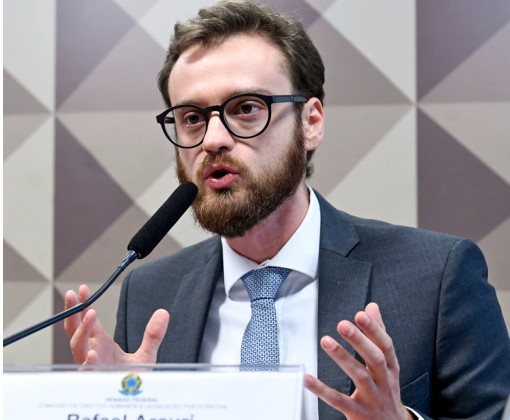
Federal Senate
Public hearing on the medical use of cannabis.
Watch (in Portuguese) -
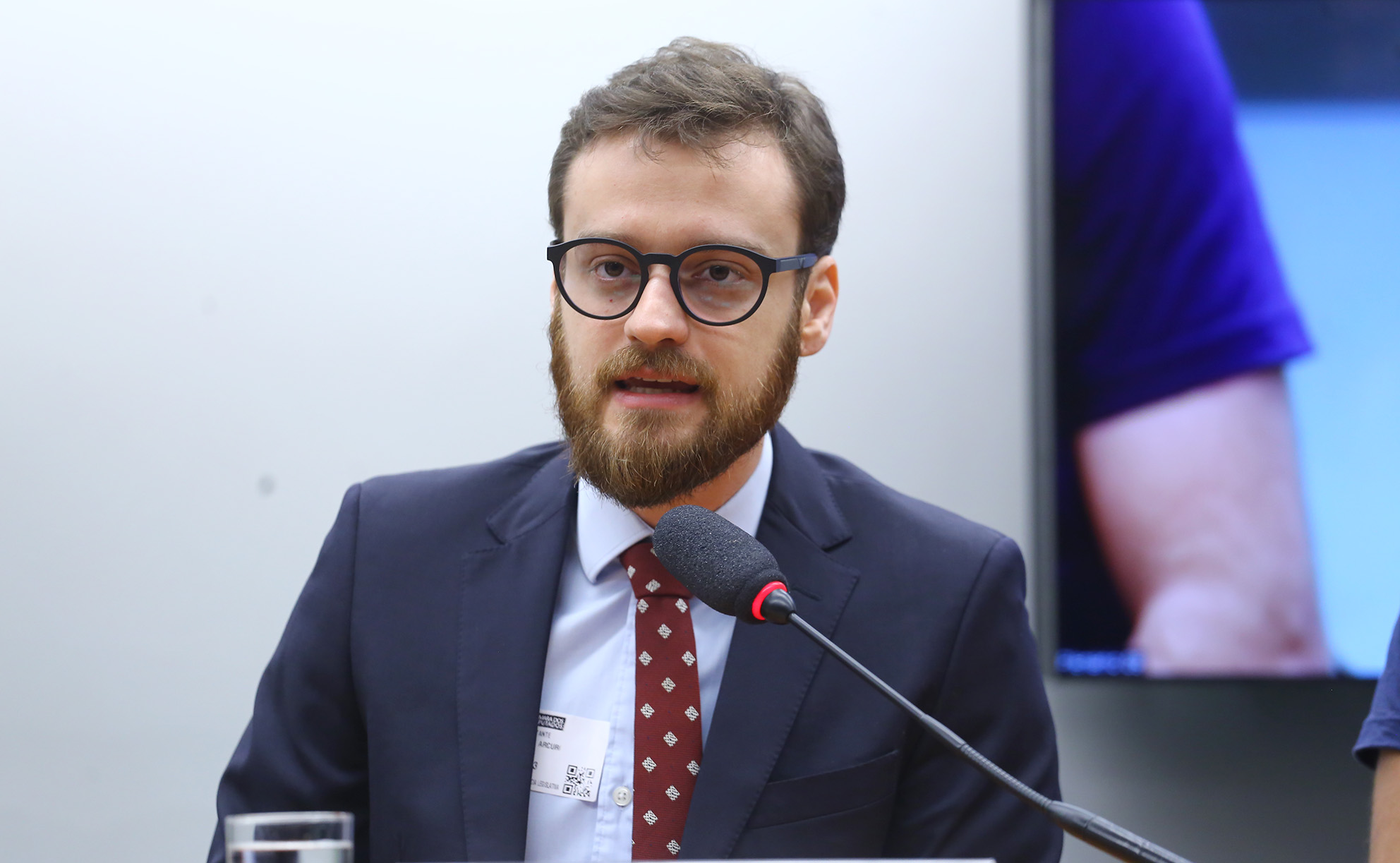
Chamber of Deputies
Public hearing on the use of cannabis for medical purposes.
Watch (in Portuguese) -
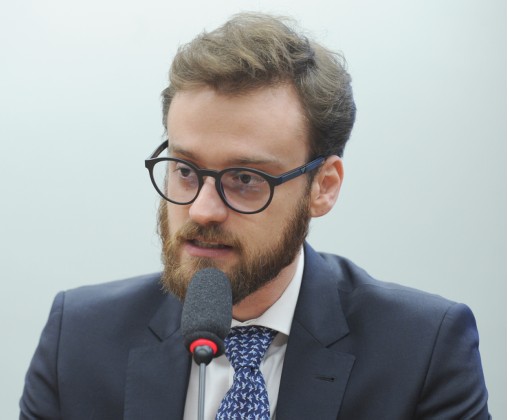
Chamber of Deputies
Public hearing on hemp and domestic production of cannabinoids.
Watch (in Portuguese) -
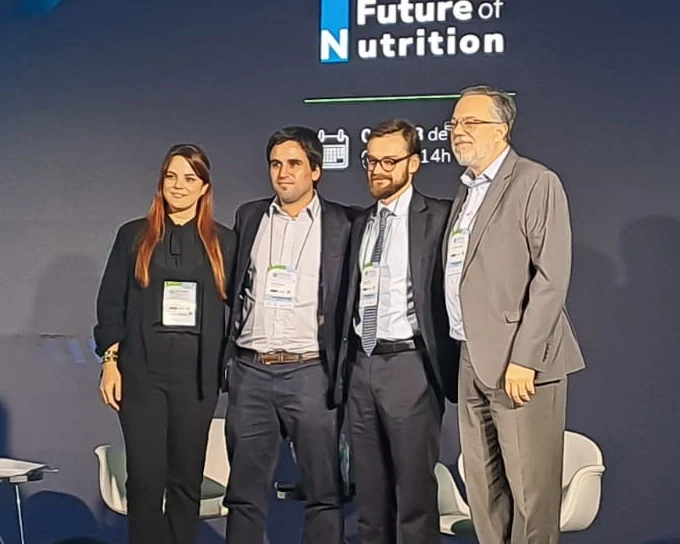
FiSA
Panel on hemp and cannabidiol in foods and supplements, at the Summit Future of Nutrition.
Cannabis & Saúde (in Portuguese) Food Connection (in Portuguese) -
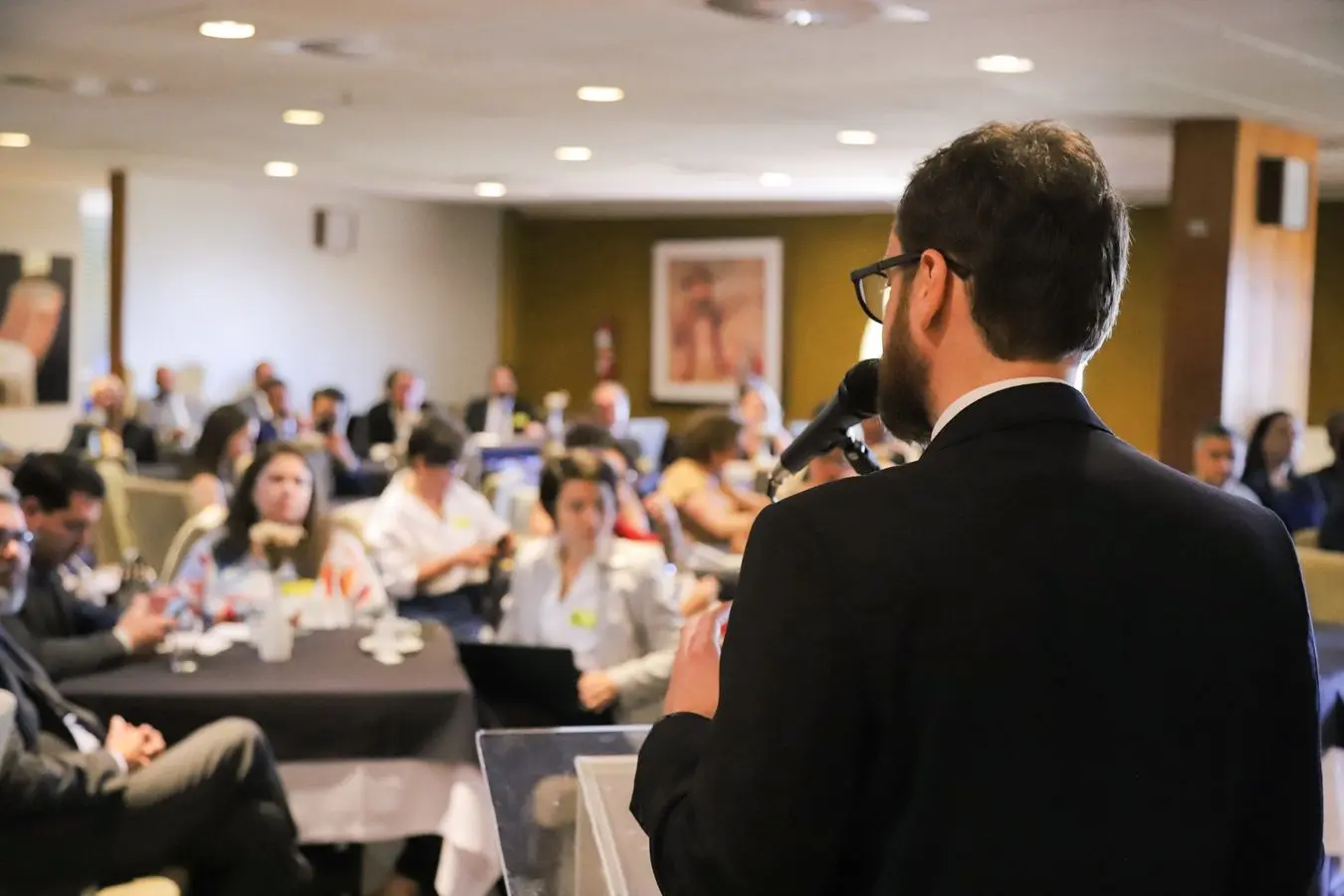
Chamber of Deputies
Café da Manhã de Diálogos, a breakfast debate hosted by Instituto Ficus, on domestic production of industrial hemp.
Sechat (in Portuguese) Poder360 (in Portuguese) -
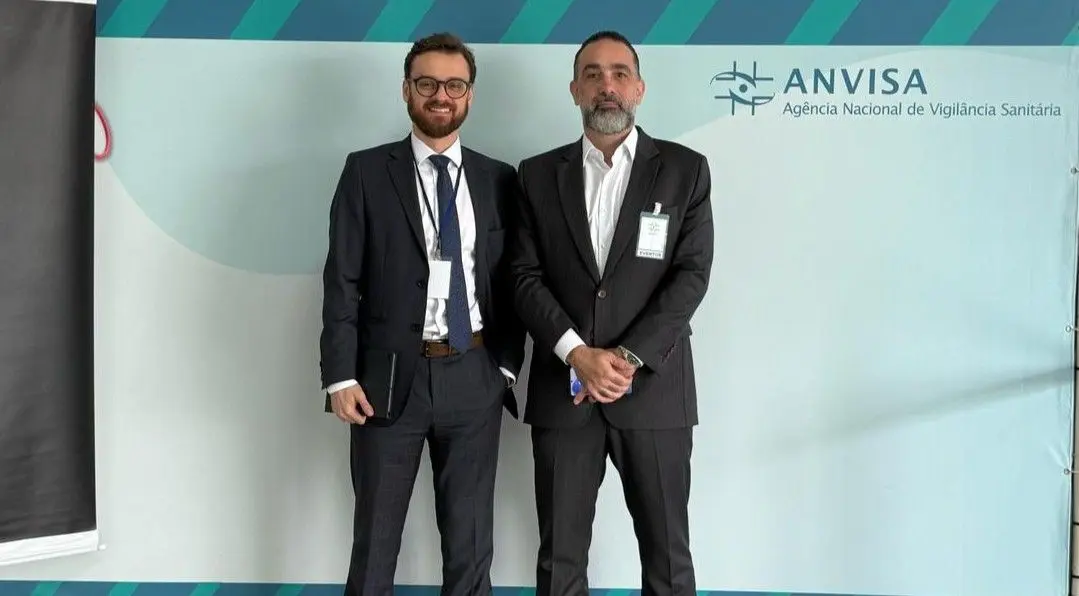
Anvisa
Meeting of the Collegiate Board on updating the regulations for cannabis products.
Read the news (in Portuguese)
Talks and interviews
 Cannabis & Saúde · in PortugueseInterview at ExpoCannabis Brasil
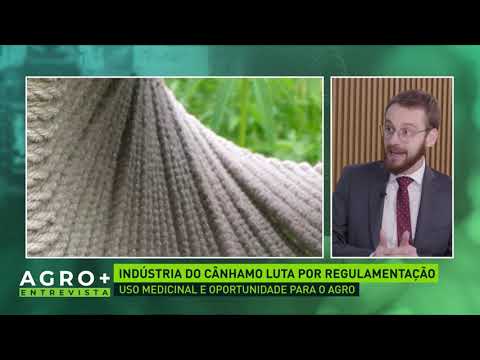 AgroMais · in PortugueseThe hemp industry and regulation
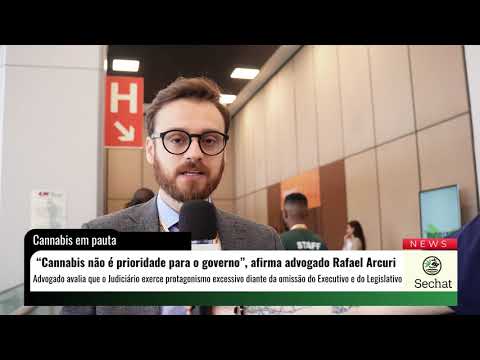 Sechat · in Portuguese“Cannabis is not a priority for the government”
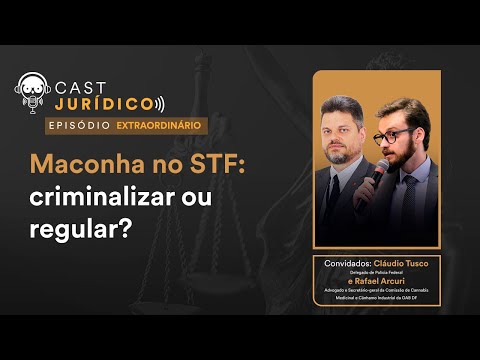 Estratégia Carreira Jurídica · in PortugueseMarijuana at the Supreme Court: criminalize or regulate?
 GEN Jurídico · in PortugueseThe Constitution, national development and hemp
 Harris SliwoskiCannabis in Brazil, The Legal Lunch Byte
Frequently asked questions
How are the fees set?
In the proposal, based on the scope. Get in touch to learn more.
Do I need to have a company set up?
No. Business strategy serves those who are still defining the project.
Does the work guarantee that an application will be approved?
No. Decisions rest with the competent authorities. We prepare the project and set out the legal basis for each step.
Get in touch
Tell us about the project. We reply by email.